
Understanding Exam Anxiety
Most students experience some level of anxiety and exam stress when facing an examination. However, students who perform better during assessments usually develop confidence by learning how to cope with anxiety in positive and productive ways.
Exam confidence is healthy—it works in your favour. It increases awareness and helps you perform better during exams. The key elements in building exam confidence are being well prepared, practising relaxation regularly (so your body learns to relax when needed), and maintaining a positive mindset.
If an upcoming exam makes you feel extremely worried, stressed, or anxious—affecting your concentration or causing panic—the following strategies can help you build exam confidence.
Steps to Build Exam Confidence
Maintain a Healthy Study–Life Balance
A structured study routine and proper preparation are essential for developing confidence. However, it is important not to overdo it. Finding balance is key—ensure you get enough sleep, eat well, and spend time on activities you enjoy. Maintaining this balance supports both mental and physical wellbeing.


Change Unhelpful Thinking Patterns
Positive thinking and challenging negative thoughts about exam performance is a powerful technique for building confidence. The first step is to identify negative thoughts. For example, you may think, “My life will be ruined if I fail this exam.”
Once identified, question the belief behind the thought. Will your life truly be ruined if you fail? No. While you may feel disappointed, you will have options such as reattempting the unit or choosing an alternative pathway.
After challenging the negative thought, replace it with a positive one, such as: “I am well prepared for this exam and I will do my best. If I pass, I will feel proud. If I fail, I know I gave my best effort.”
Be mindful that negative discussions about exams with peers can reinforce anxiety. When talking about exams, try to focus on preparation and confidence rather than fear.
Relaxation Techniques
Regular practice is essential. Practise these techniques consistently in the lead-up to exams and whenever you feel your confidence decreasing.
Calming Your Mind with Breathing Techniques
- Hold your breath and count to five (do not take a deep breath).
- When you reach five, breathe out slowly and calmly say the word “relax” to yourself.
- Breathe slowly through your nose in a six-second cycle—inhale for three seconds and exhale for three seconds.
- This rhythm produces approximately ten breaths per minute. Say “relax” every time you breathe out.
- At the end of each minute, hold your breath again for five seconds, then continue the six-second breathing cycle.
- Continue until symptoms of over-breathing reduce.

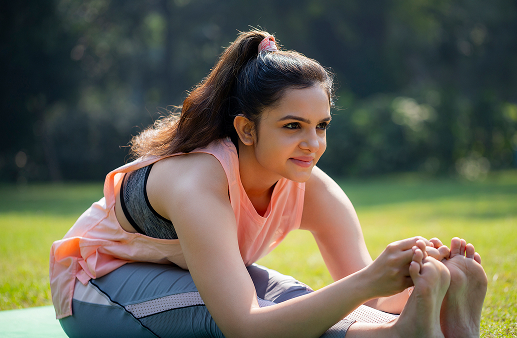
Releasing Tension Through Muscle Relaxation
- Sit comfortably in a quiet place.
- Clear your mind of worrying or distracting thoughts.
- Practise slow breathing and imagine tension leaving your body with every exhale.
- Relax your muscles in this order: hands, arms, shoulders, neck, forehead and scalp, eyes, jaw, chest, stomach, back, hips, thighs, calves, and feet.
- For each muscle group, tense for 7–10 seconds and then slowly release, imagining tension flowing out of your body.
Using Visualisation for Mental Calm
- Imagine a peaceful place such as a beach, forest, or a cosy cabin.
- Use all your senses while visualising the scene.
- Notice what you can see, hear, smell, and feel.
- Imagine details like warmth, breeze, sounds, and textures.
- Once you find a place where you feel calm and relaxed, you may record your description with soothing background music and listen to it daily. Guided visualisation recordings are also available.


Staying Calm and Focused During the Exam
On exam day, once you feel relaxed and confident, use these techniques during the exam to stay focused:
- Periodically close your eyes and take a slow, comfortable breath in, then exhale gently.
- As you breathe out, say “relax” and imagine tension leaving your body.
- Let your hands and arms rest loosely and imagine warmth flowing into them.
- Gently flex and relax your fingers to encourage blood flow.
- Adjust your posture slightly and stretch your arms, legs, and back.
- Take another slow breath, say “relax”, and return to your exam.
When Concentration Feels Difficult
- Focus on an object in the exam room (such as a chair or clock).
- Observe its colour, shape, texture, and details for 3–5 minutes.
- Return to your exam once your mind feels clearer.
- Challenge thoughts like “I can’t think straight” by reading one sentence and summarising it.
- Write down any ideas related to the question and look for connections.
- Paraphrase the question in your own words to regain clarity.
Conclusion: Confidence Comes from Preparation and Self-Care
Exam confidence develops through consistent preparation, healthy routines, positive thinking, and effective stress-management strategies. While some anxiety is normal, learning how to manage it allows you to perform at your best. Remember, exams are a part of your learning journey—not a measure of your worth or abilities.
Seeking Professional Support
If exam anxiety continues to feel overwhelming despite trying these strategies, it is important to seek professional support. RMCC is here to help you develop effective coping skills, manage exam stress, and build confidence in a healthy way. Speaking to a trained professional can provide guidance tailored to your needs and help you approach exams with greater calm and confidence. Remember, asking for help is a sign of strength—not weakness.